
The first agency to reach a caregiver applicant usually gets the interview, and the interview is where most hires are won or lost. Caregiver applicant response time is the gap between an application arriving and a real conversation with someone at your agency. The published data says every day in that gap costs you candidates.
The clearest numbers come from hiring platforms that see data from many agencies at once. This post pulls together what they published through August 2026 and adds some plain arithmetic. It ends with a short list of changes an agency owner can make this week. All vendor figures are labeled as vendor figures.
Key Takeaways
- In Hellohire's data on 163,000+ caregiver interview bookings, 59% of same-day interviews happened, versus 30% when the interview was a week or more out.
- Agencies book fast but interview slow. In August 2026, Hellohire agencies scheduled applicants in 0.88 days, but the interview itself came 2.95 days after the application.
- About 4 in 10 booked interviews are no-shows, month after month. Hellohire reported 40.1% in August 2026 and between 40% and 43% every month since March.
- Many applicants apply outside office hours. Activated Insights reported that 20% of caregiver applications arrive on weekends.
- Moving the average interview from day three to the same day would mean roughly 13 more interviews completed per 100 booked, using Hellohire's own curve.
Key Findings
The sources point the same way. Speed to hire caregivers matters most in the first day or two, and most agencies lose ground in the days after the first call.
- Show rates fall by half over a week. Same-day interviews showed 59% of the time in Hellohire's trailing 12 months. At seven days or more, it was 30%.
- The biggest single drop is overnight. Hellohire found show rates fall 8 points between same-day and next-day interviews, the steepest step on the curve.
- Booking is fast, the interview date is not. Across March to August 2026, about two extra days passed between booking and the actual interview on Hellohire's platform (our arithmetic on its monthly reports).
- Caregiver interview no-shows run near 40%. That rate barely moved across six months of 2026.
- A fifth of applications land on weekends, when most offices are closed.
Where Do These Numbers Come From?
Most of these figures are vendor data, from companies that sell hiring software to home care agencies. They are the best public benchmarks available, but they describe agencies that already use those tools. Treat them as directional.
| Source | What it measured | Sample and period |
|---|---|---|
| Hellohire Interview Speed Curve (published April 15, 2026) | Show rate by days from application to interview | 163,000+ completed virtual caregiver interview bookings, April 1, 2025 to March 31, 2026 |
| Hellohire monthly "State of Home Care Hiring" reports | Days to schedule, days to interview, no-show rate | Agencies on its platform, March to August 2026 |
| Augusta Q4 2025 benchmark report (March 12, 2026) | Hiring outcomes by interview timing | 110,000+ applicants, 24,000+ interviews, Q4 2025 |
| Activated Insights, hiring metrics article (June 2, 2022) | Weekend share of applications | Citing Carework founder Rachel Gartner, 50,000+ home care applications processed |
Show rate is the share of booked interviews where the candidate completed the interview, as Hellohire defines it. A no-show is a booked interview the candidate never attended. The "our arithmetic" figures below are simple calculations we made on these published numbers, not new data.
How Fast Does a Caregiver Applicant Go Cold?
Fast. In Hellohire's trailing 12-month data, 59% of interviews held the same day as the application were completed. By day three it was 46%. At seven days or more, it was 30% (Hellohire, April 15, 2026).
What this means: candidates interviewed the same day are nearly twice as likely to show up as those interviewed a week later. Hellohire's Q1 2026 numbers alone (60% same day, 30% at a week) matched the 12-month numbers almost point for point.
How this compares: Recruiting software vendor Augusta reached the same conclusion from its own platform data. Its Q4 2025 report found that moving within 24 to 48 hours "often produces the highest engagement and conversion rates." The strongest hiring outcomes came when applicants were interviewed within four days (Augusta, March 12, 2026).
Practical implication: offer an interview slot today, not a callback tomorrow. A short screen works for this. Our list of caregiver interview questions fits into a 10-minute call.
Why Booking Fast Is Not Enough
Agencies on Hellohire already book quickly on average. In August 2026 they scheduled applicants 0.88 days after applying, yet the interview itself happened 2.95 days after the application (Hellohire, September 1, 2026). The first contact is quick. The interview date is not.
Our arithmetic on Hellohire's monthly reports shows the same gap every month:
| Month (2026) | Days to schedule | Days to interview | Gap between booking and interview |
|---|---|---|---|
| March | 0.69 | 2.87 | 2.18 |
| April | 0.84 | 3.02 | 2.18 |
| May | 0.87 | 3.19 | 2.32 |
| June | 0.85 | 3.01 | 2.16 |
| July | 0.90 | 3.40 | 2.50 |
| August | 0.88 | 2.95 | 2.07 |
Sources: Hellohire monthly reports for March, April, May, June, July and August.
What this means: the booking step looks healthy, but it hides about two days of waiting. On Hellohire's curve, an interview three days out completes 46% of the time. Same day, it's 59%. That is roughly 13 more completed interviews per 100 booked, or about 28% more.
 The callback is only half the job. The interview slot you offer on that call matters just as much. Photo: Kampus Production / Pexels
Practical implication: measure days to interview, not just days to first contact. If your calendar only has slots later in the week, open short same-day slots instead.
Why Are Caregiver Interview No-Shows So High?
Likely because the applicant is still job hunting while they wait. Hellohire's no-show rate was 42.5% in March 2026, 40.6% in April, 42.6% in May, 42.5% in June, 42.1% in July and 40.1% in August.
Hellohire says caregivers "typically apply to ten or twenty agencies at once," and that "the first agency to reach them usually wins the interview" (Hellohire, July 31, 2026). That is a vendor's observation, not a survey result, but it fits the curve above. Every extra day gives another agency the chance to call first.
How this compares: Hellohire's 2025 year-end review reported no-shows fell to 42% from 51% at the end of 2024 (Hellohire, January 21, 2026). The rate improved, then stopped improving. Around 4 in 10 appears to be the current floor for agencies booking a few days out.
Practical implication: each no-show wastes a recruiter's time and pushes that seat's hire back further. With median caregiver turnover at 75% (Activated Insights via PR Newswire, July 1, 2025), the seat refills constantly. Our guide to the cost of caregiver turnover shows how to price that out.
When Do Caregivers Actually Apply?
Often when your office is closed. Activated Insights reported that 20% of caregiver applications are submitted on the weekend. The figure came from Rachel Gartner of Carework, who has processed more than 50,000 home care applications (Activated Insights, June 2, 2022).
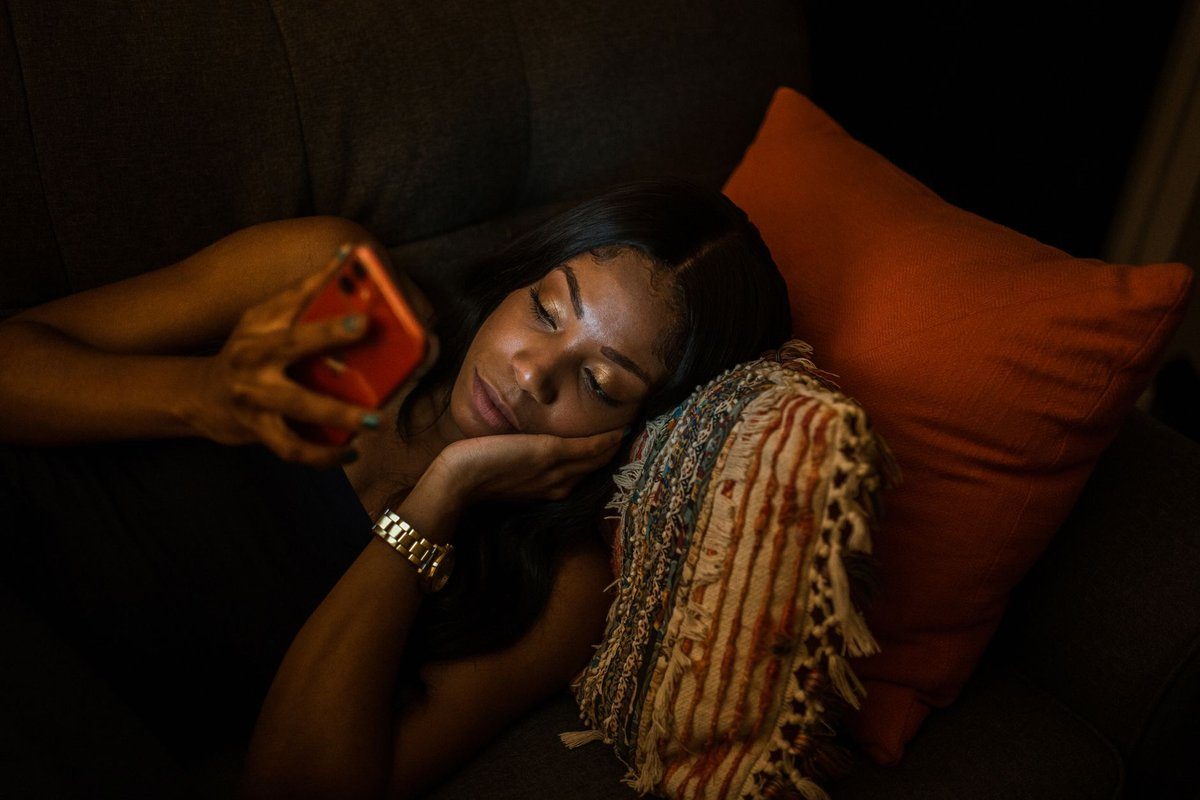 Many caregivers job hunt after their own shifts end, in the evening or on days off. Photo: RDNE Stock project / Pexels
What this means: a Friday evening application that waits until Monday is already three days old. On Hellohire's curve, that applicant sits near the 46% mark before anyone has called.
How this compares: Jamie Gong, founder of Care Hero, made the same argument in a May 2026 Forbes Business Council column. He called speed the most undervalued advantage in caregiver hiring, and cited the same weekend figure (Forbes, May 7, 2026). Payroll vendor Viventium put it as "minutes, not hours," and framed coverage outside business hours as a leadership decision (Viventium, May 28, 2026).
Practical implication: decide who, or what, responds to applicants on Friday night and Saturday morning.
Surprises in the Data
Two findings cut against what most owners assume.
The overnight drop is bigger than any later one. You might expect a slow, steady decline. Instead, the 8-point fall from same day to next day is the largest single step. The first evening matters more than the rest of the week.
Fast agencies still have slow interviews. The agencies in Hellohire's reports are already using scheduling software and booking in under a day. They still wait two more days to meet the applicant. Buying a tool did not close the gap on its own.
Limitations
- Vendor samples. Hellohire and Augusta see only their own customers. Agencies without these tools may be slower.
- Correlation, not proof. Applicants who accept a same-day slot may be more motivated to begin with. The curve shows association, not cause.
- Virtual interviews only. Hellohire's curve covers virtual interviews. In-person interviews may behave differently.
- Older weekend figure. The 20% weekend share dates from 2022. We found no newer primary figure we could verify.
What Should an Agency Owner Do With This?
Treat caregiver applicant response time as a number you track weekly, like census. The goal is a same-day conversation and, where possible, a same-day interview.
- Track two numbers. Hours from application to first contact, and days from application to interview. Hellohire's reports show the second one is where the time hides.
- Hold same-day slots. Block two or three 15-minute windows every afternoon for walk-in phone or video screens.
- Cover nights and weekends. Rotate a staff member, use text-to-book, or use an automated caller. If you use AI voice calls, read our guide to TCPA rules for AI recruiting calls first. It is general information, not legal advice.
- Confirm the same day. Send a reminder with the time and a one-tap reschedule link, so a no-show becomes a reschedule.
- Fix speed before buying more applicants. Adding job board spend while interviews sit three days out means paying for candidates who go cold.
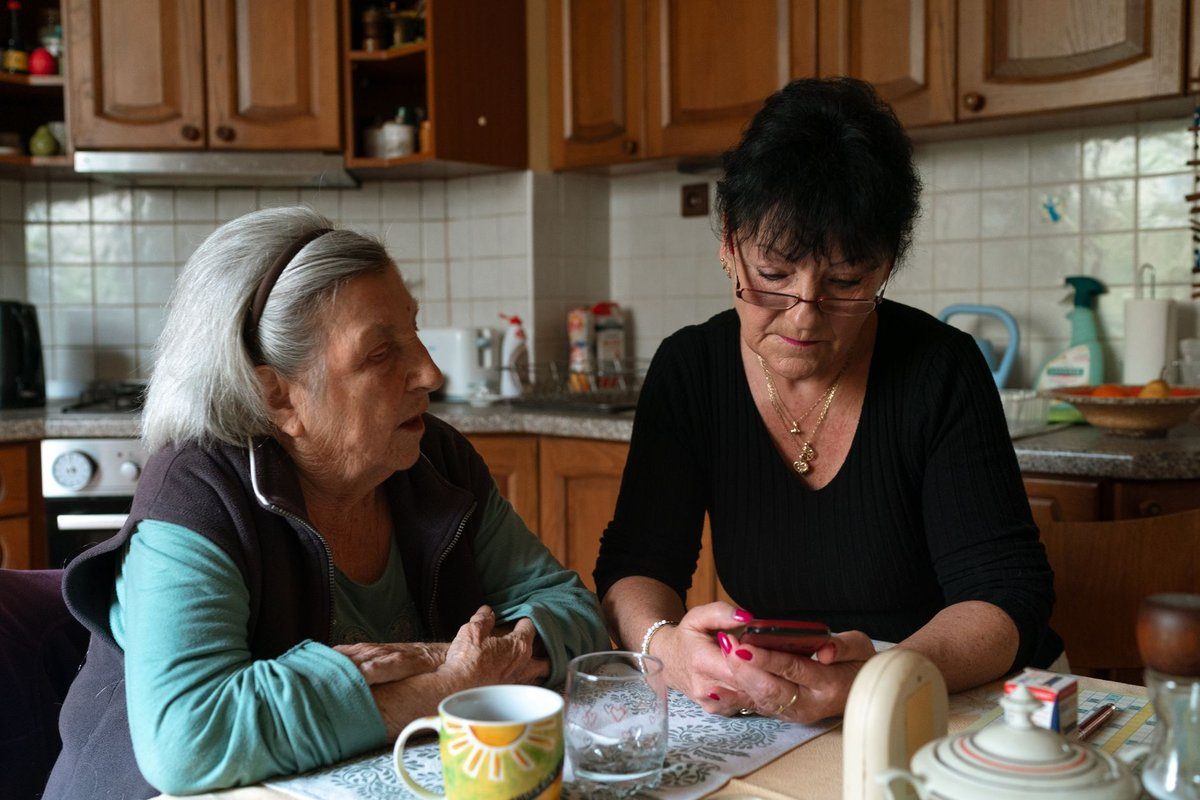 Every applicant who shows up is a possible caregiver for a client already waiting on a schedule. Photo: Jsme MILA / Pexels
For how response time fits the rest of the hiring process, from job post to first shift, see our guide on how to hire caregivers.
Frequently Asked Questions
What is a good caregiver applicant response time?
Same day, and ideally within a few hours. Augusta's Q4 2025 report found the best engagement when agencies moved within 24 to 48 hours. Hellohire's curve shows the highest show rate when the interview itself happens the same day.
What is a normal caregiver interview no-show rate?
Around 40% on Hellohire's platform in 2026, ranging from 40.1% to 42.6% between March and August. If yours is higher, check how many days pass between booking and the interview.
Does calling faster really change who gets hired?
The vendor data points that way, though it shows correlation, not proof. Hellohire reports that caregivers apply to many agencies at once, so a slower agency often calls someone who has already booked elsewhere.
Can I cite these numbers?
Yes, but cite the original sources linked above, not this page, and label Hellohire and Augusta figures as vendor platform data. The booking-to-interview gap and the "13 more per 100" figure are our arithmetic on Hellohire's published numbers.
Getting Applicants on the Phone Faster
If your office can't call every applicant back the same day, including evenings and weekends, that is the gap our AI recruiting agent is built to fill. It calls new applicants within minutes, asks your screening questions, and books the interview into your calendar.
Data Appendix
| Metric | Value | Source |
|---|---|---|
| Show rate, same-day interview | 59% (60% in Q1 2026) | Hellohire Interview Speed Curve |
| Show rate, interview 3 days out | 46% (47% in Q1 2026) | Hellohire Interview Speed Curve |
| Show rate, interview 7+ days out | 30% | Hellohire Interview Speed Curve |
| Days to schedule, August 2026 | 0.88 | Hellohire August 2026 report |
| Days to interview, August 2026 | 2.95 | Hellohire August 2026 report |
| Application to interview rate, August 2026 | 48.5% | Hellohire August 2026 report |
| Interview no-show rate, August 2026 | 40.1% | Hellohire August 2026 report |
| Weekend share of caregiver applications | 20% | Activated Insights, 2022 |
| Median caregiver turnover | 75% | Activated Insights 2025 Benchmarking Report |
Citation format: OpsHarbor Team, "Why the First Agency to Call a Caregiver Applicant Wins," OpsHarbor, September 15, 2026, https://opsharbor.io/caregiver-applicant-response-time.html.